Thinking about listing your Carrollton home this season? You don’t need a full remodel to make a strong first impression and capture great offers. With the right small updates, you can boost photos, win more showings, and reduce days on market without overspending. In this guide, you’ll see what to do first, where to skip, realistic cost ranges, a simple timeline, and local permitting tips. Let’s dive in.
Carrollton snapshot: align spend with price band
Carrollton buyers are active and comparing homes carefully across the mid-to-upper $200k and $300k price bands. In this range, clean presentation and move-in readiness stand out fast in photos and at the curb. You don’t need luxury finishes to compete, but you do want a home that feels updated and well cared for.
Because price band and neighborhood comps guide return on investment, match your prep to your likely list price. Small, cosmetic improvements typically recoup a higher percentage of their cost than big remodels in this range. Ask your agent for a current CMA so your update plan fits the market around your home.
Why small updates work for buyers
Buyers make fast judgments online. Neutral paint, tidy landscaping, good lighting, and uncluttered rooms help them picture life in your home. According to NAR’s 2025 Profile of Home Staging, most buyer agents say staging makes it easier for buyers to visualize the property, and it often shortens time on market.
Smaller, targeted improvements also tend to deliver stronger resale recovery than major projects. The 2025 Remodeling Impact Report and national Cost vs Value data both highlight exterior refreshes and modest kitchen updates as consistent value drivers when you plan to sell.
High-impact updates on a budget
Below are the core categories that create the most buyer confidence in Carrollton for the least hassle and spend.
Fresh interior paint
- What to do: Repaint high-traffic rooms first, like the living room, kitchen, and primary bedroom. Choose light, warm-neutral colors to brighten spaces and unify rooms. Touch up baseboards and trim where scuffed.
- Why it helps: Fresh, neutral paint reads clean in photos and helps buyers focus on the home’s features, not wear and tear. It also makes older finishes feel newer.
- Ballpark cost: Professional interior work often runs about $1.40 to $4.75 per square foot of wall area, with a single room commonly around $700 to $1,500 depending on prep and height. See typical ranges in this interior painting cost guide. A careful DIY refresh can cut costs.
Pro tip: If budget is tight, start with one color throughout the main living areas so your photos look cohesive.
Flooring refresh
- What to do: Deep clean carpets, replace stained or odor-heavy areas, and consider affordable hard surfaces in worn rooms. If you have original hardwood under carpet, refinishing often beats replacing with new products.
- Why it helps: Floors are a top impression point. Clean, modern flooring removes buyer objections and photographs beautifully.
- Ballpark cost: Carpet cleaning is typically modest for a few rooms. New carpet or LVP installation usually runs a few to several dollars per square foot for materials and labor. See broad benchmarks in this flooring cost overview. Refinished hardwood often lands in the mid-range per square foot.
Pro tip: If only one or two rooms look tired, limit replacement to those spaces to control spend while improving the whole-home feel.
Curb appeal wins
- What to do: Mow and edge the lawn, trim shrubs, add fresh mulch, scrub or pressure wash siding and the driveway, repaint the front door, update house numbers, and brighten porch lighting. Clean gutters and replace a worn doormat.
- Why it helps: First impressions form at the curb and in online thumbnails. Exterior improvements like entry or garage doors show especially strong cost recovery in Cost vs Value data.
- Ballpark cost: Pressure washing a small home or patio often runs a couple hundred dollars depending on scope, as outlined in this pressure-washing cost guide. DIY door paint and hardware updates are low-cost, high-visibility upgrades.
Pro tip: Do the cleaning and paint first. If the garage or entry door is visibly dated or damaged, consider replacement only if comps support the spend.
Small repairs buyers notice
- What to do: Patch nail pops, caulk tubs and showers, fix leaky faucets, tighten handrails, replace burned-out bulbs, swap stained window screens, and service HVAC with a fresh filter. Test smoke detectors.
- Why it helps: Visible deferred maintenance raises red flags and can trigger inspection issues. A short punch list now can prevent longer negotiations later.
- Permits note: Cosmetic work typically does not need a building permit. Structural changes or system work often do. When in doubt, confirm with Carroll County using the Residential Building Permit Packet.
Pro tip: Keep receipts and a simple log of what you repaired. It supports disclosures and builds buyer trust.
Kitchen and bath touch-ups
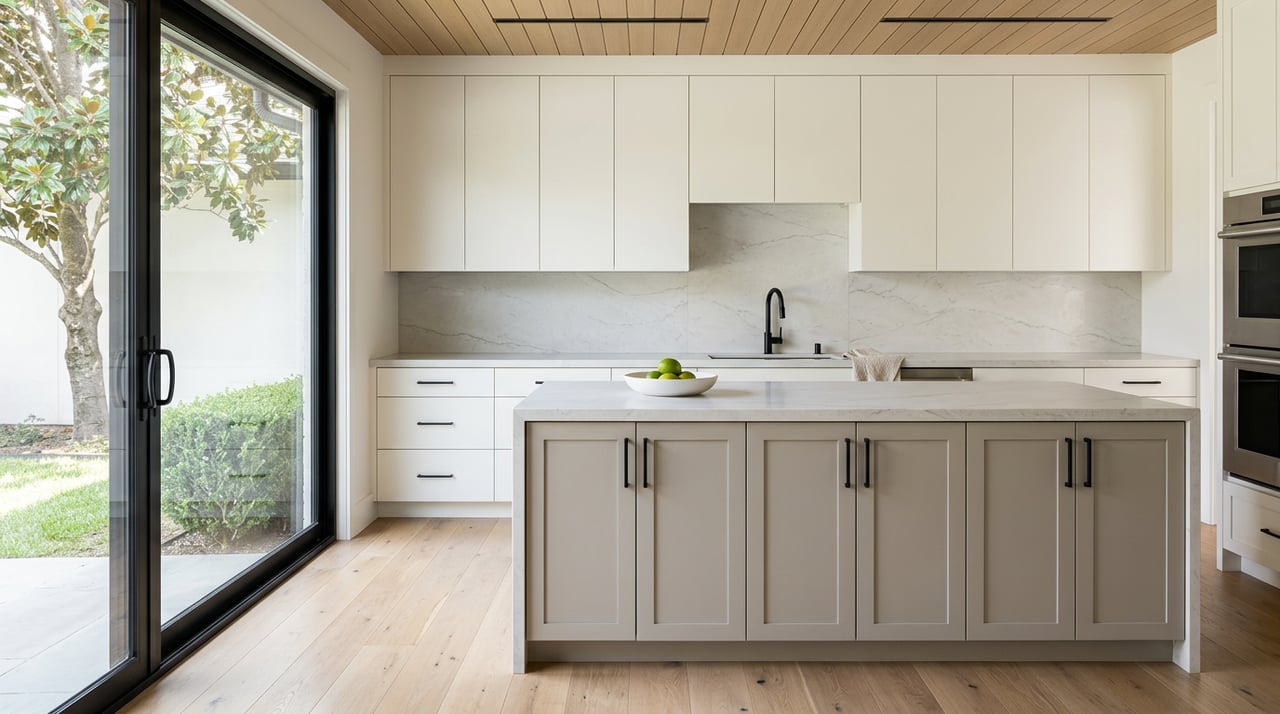
- What to do: Deep clean, brighten lighting, swap dated cabinet hardware, refresh grout or install a simple backsplash, re-caulk tubs, and consider painting cabinet faces if finishes are worn. Replace a tired faucet with a simple, modern fixture.
- Why it helps: These are decision rooms. Modest updates help buyers feel the home is current without the timeline and cost of a gut remodel. The 2025 Remodeling Impact Report notes that minor kitchen work often outperforms large-scale renovations on resale recovery.
Pro tip: Choose timeless finishes and limit your palette to two or three materials so everything feels cohesive.
Staging and great photos
- What to do: Declutter, depersonalize, and define how each room is used. Float furniture off walls for better flow, add soft textiles and greenery, and book professional photography once updates are complete. For vacant homes, consider light staging or cost-effective virtual staging.
- Why it helps: The 2025 Profile of Home Staging found staging helps buyers visualize a home and can shorten time on market. Many sellers spend around the low-thousands for targeted staging where it matters most.
Pro tip: Focus staging on the living room, kitchen, and primary bedroom first. Those rooms carry the most weight in buyer decisions.
Prioritize by budget and timing
You can make noticeable strides in any budget range. Use these quick tiers to plan your spend.
Under $1,000
- Declutter and deep clean
- Touch up paint on trim and the front door
- Power-wash small areas as needed
- New doormat and house numbers
$1,000 to $5,000
- All of the above
- Fresh mulch and basic landscaping
- Staged key rooms or a consult plus pro photos
- Carpet cleaning or targeted carpet replacement
- Swap cabinet hardware and a dated kitchen or bath faucet
$5,000 to $20,000
- All of the above
- LVP in high-traffic rooms or hardwood refinishing
- Focused kitchen refresh: hardware, simple backsplash, lighting, possibly counters
- Consider a front-door or garage-door upgrade if visibly tired and comps support it
Over $20,000
- Evaluate larger exterior updates or a minor kitchen remodel only if neighborhood comps support the next price band and timing still works for your sale.
A simple three-week listing prep timeline
- Week 0: Agent walk-through and a prioritized punch list.
- Week 1: Book contractors for paint, flooring, landscaping. Schedule staging and photography. Start decluttering.
- Week 2: Complete painting, minor repairs, landscaping, and flooring work.
- Week 3: Deep clean, stage, and capture professional photos. Go live.
Adjust if permits or larger repairs are needed.
Permits, hiring, and disclosures in Carroll County
- Permits: Most cosmetic projects like painting and flooring replacement do not require permits. Structural, electrical, plumbing, HVAC, or additions usually do. When unsure, confirm with Carroll County using the Residential Building Permit Packet.
- Contractor checks: In Georgia, many contractors must be licensed for projects above certain thresholds. Verify license and insurance through the Georgia State Licensing Board. Ask for 2 to 3 written bids, local references, and a clear schedule.
- Paper trail: Use written change orders, keep receipts, and save before-and-after photos. This supports disclosures and boosts buyer confidence.
Ready to prep your Carrollton home with a plan that fits your timeline and budget? Let’s walk your property together, set priorities that match local comps, and bring in the right pros at the right price. Reach out to Karen Farmer to get started.
FAQs
Do pre-listing updates really pay off in Carrollton?
- Targeted, cosmetic updates and strong presentation often deliver more value than big remodels, and national data shows exterior refreshes and minor kitchen work tend to recoup a higher share of cost than large projects.
What are the best low-cost updates before listing?
- Focus on paint, curb appeal, decluttering, small repairs, and lighting so photos pop and buyers feel the home is well maintained.
Do I need permits for paint, flooring, and fixture swaps in Carroll County?
- Cosmetic items like paint and flooring usually do not require permits, but structural and system work typically do, so confirm with the county’s permit packet or staff before you start.
Is professional staging worth it in today’s market?
- NAR’s staging research shows it helps buyers visualize the home and can reduce time on market, so even partial staging or a consult is often smart.
How much should I budget for prep?
- Many sellers spend between $1,000 and $5,000 on cleaning, paint, curb appeal, and light staging, while larger refreshes with flooring or kitchen touches may land in the $5,000 to $20,000 range depending on scope.