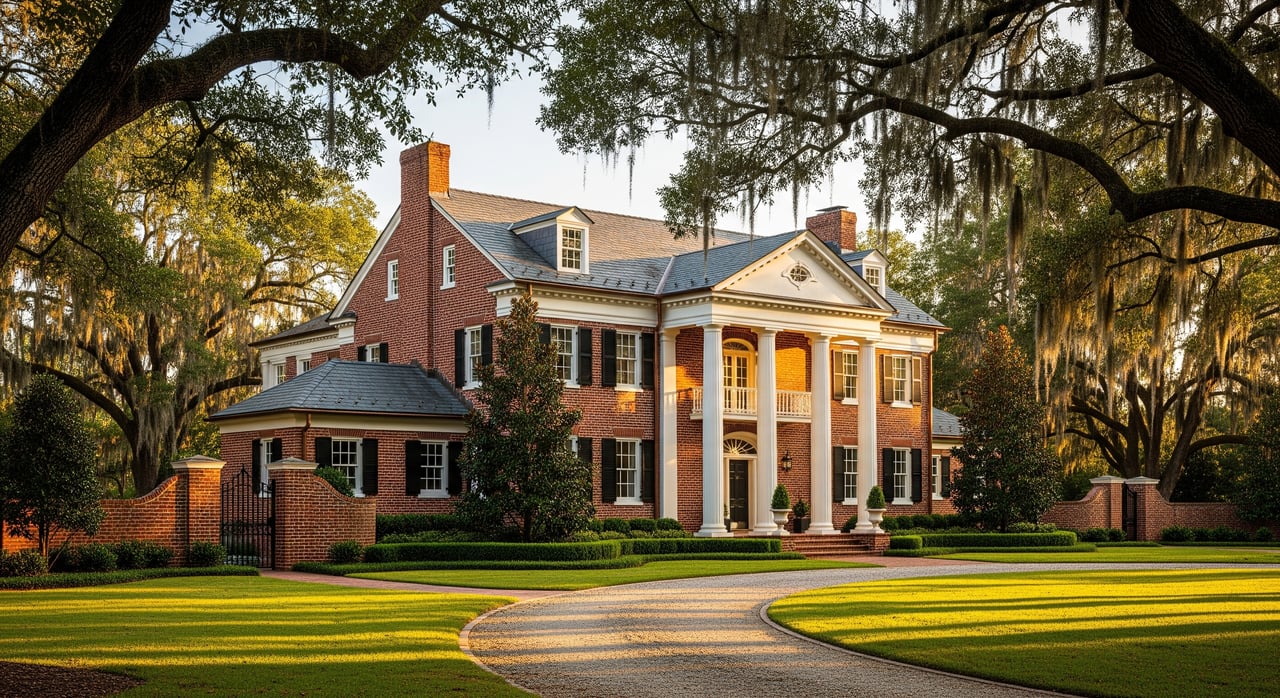
Buying your first home in Sharpsburg is exciting, but the paperwork can feel confusing. Title insurance is one of those items that raises questions. You want to protect your investment and avoid surprises after closing. In this guide, you’ll learn what title insurance covers, the difference between owner and lender policies, how title work is done in Coweta County, and what costs to expect. Let’s dive in.
Title insurance basics
Title insurance protects you against covered losses tied to past problems in a property’s recorded history. It focuses on defects that existed before you bought the home, like undisclosed liens or forged deeds. You pay a one-time premium at closing. Coverage lasts as long as you hold an interest in the property, subject to policy terms and exceptions.
Policies are issued after a title search and a title commitment. The commitment lists exceptions and requirements that may need attention before closing. Understanding these items helps you avoid surprises later.
Owner vs. lender policies
Who each policy protects
- Owner’s policy: Protects your equity and legal ownership.
- Lender’s policy: Protects the mortgage lender’s interest up to the loan amount.
Is it required?
- Lender’s policy is typically required if you use a mortgage.
- Owner’s policy is optional but strongly recommended. The lender’s policy does not protect you.
Cost and payment
- Both policies are paid once at closing. Rates vary by insurer, purchase price, and loan amount.
- Who pays is negotiable and based on local practice and your purchase contract. Ask your agent and the closing attorney or title company how it is typically handled in Coweta County.
How long coverage lasts
- Owner’s coverage lasts as long as you or your heirs own the property.
- Lender’s coverage lasts until the loan is paid off.
Transferability
- An owner’s policy is not transferable to a new buyer. A new owner would purchase their own policy.
What a Coweta County title search finds
A local title search reviews public records to confirm clear ownership and identify recorded issues. Common items include:
- Recorded liens, such as mortgages, tax liens, judgment liens, or mechanic’s liens.
- Unreleased mortgages or missing satisfactions.
- Breaks in the chain of title, including missing heirs or probate questions.
- Forged or fraudulent documents.
- Improperly executed deeds or notary errors.
- Pending probate matters involving an unsettled estate.
- Easements and rights-of-way.
- Restrictions or covenants recorded against the property.
- Boundary disputes shown in recorded plats or court records.
- Delinquent or unpaid county property taxes.
You will receive a title commitment that lists exceptions. The title company or closing attorney works to remove or explain these items before closing.
What standard policies may miss
Standard policies do not cover everything. Unless specifically endorsed, policies may not cover:
- Unrecorded liens or encumbrances.
- Zoning or building-code violations, or environmental issues.
- Issues that arise after the policy date, such as new construction liens filed after closing.
- Physical encroachments not visible in recorded documents. A current survey and a survey endorsement can help.
How title work happens locally
In Coweta County, title professionals check land records, tax records, and recorded plats to confirm ownership and find problems. If an issue appears, curative work may include obtaining lien releases, filing corrective documents, securing affidavits, or resolving probate items. The goal is to deliver insurable title so you can close with confidence.
Costs and who pays in Sharpsburg
You pay title-related costs once at closing. Typical items include:
- Title search and examination fees.
- Title insurance premium(s) for owner and lender policies.
- Settlement, document preparation, recording, and courier fees.
Premiums are usually based on the purchase price for an owner’s policy and the loan amount for a lender’s policy. Rates vary by insurer and market. For a simple estimating method, multiply the insurer’s rate per $1,000 by the purchase price divided by 1,000, then add any flat fees. For example only, if a rate were $5.50 per $1,000 on a $300,000 purchase, the premium would be $1,650. Actual rates differ, so request local quotes.
Who pays is negotiable. Buyers often pay for the lender’s policy when financing. Seller payment for an owner’s policy can be part of concessions. Always check your purchase contract and ask your agent and the closing attorney or title company about local practice in Coweta County.
Endorsements first-time buyers consider
Endorsements add targeted protections for an additional cost. Common options include:
- Survey endorsement to address boundary or encroachment risks with a current survey.
- Subdivision or plat endorsements when the home is in a platted subdivision.
- Access or limited zoning endorsements, depending on property type and insurer options.
Ask the title company which endorsements make sense for your property and loan type.
Special situations in Sharpsburg
- Older properties or long ownership chains may require extra curative work, such as tracking down missing releases or probate documents.
- New construction or recent subdivisions can involve unrecorded contractor claims. Confirm how these are handled before closing.
- Rural parcels sometimes include recorded rights-of-way or boundary complexities. A current survey is helpful.
- FHA and VA loans require lender’s title insurance. You should still consider an owner’s policy for your protection.
Simple buyer checklist
- Ask upfront who pays for the owner’s policy in your transaction. Confirm in the contract.
- Choose an owner’s policy. A lender’s policy does not protect you.
- Request an itemized title and closing cost estimate as soon as your contract is ratified.
- Read the title commitment carefully. Highlight exceptions and ask for plain-English explanations.
- Consider a current survey and a survey endorsement if boundary risks exist.
- Store your final policy and all closing documents in a safe place.
If an issue appears after closing
If a covered title problem surfaces later, file a claim with the issuing title insurance company. Title insurance typically covers legal defense and covered losses within policy terms. Keep your original policy documents. They are your contract of insurance.
Get local guidance and accurate numbers
To get precise figures for your Sharpsburg purchase, compare quotes from two or three local title companies or the closing attorney your lender recommends. Ask for itemized estimates and available endorsements. If you are tracking favorite homes in an online portal, keep the exact address and parcel details handy to speed up quotes and title checks.
If you want a friendly, local guide for each step, reach out to Karen Farmer. We will help you review your title commitment, understand options, and plan your closing with confidence.
FAQs
What does an owner’s title policy cover in Georgia?
- It protects your equity and legal ownership against covered title defects that existed before closing, such as undisclosed liens, recording errors, or forged documents, subject to the policy’s terms and exceptions.
Why does my lender need a separate policy?
- A lender’s policy protects only the lender’s loan amount. It does not protect you, which is why an owner’s policy is recommended even when a lender’s policy is in place.
Is title insurance required for Sharpsburg homebuyers?
- If you finance, your lender will typically require a lender’s policy. An owner’s policy is optional but advisable since it protects your ownership, not the bank’s.
How much does title insurance cost in Coweta County?
- It is a one-time premium at closing based on purchase price or loan amount and insurer rate schedules. Ask local title companies for itemized quotes to compare fees and endorsements.
What happens if the title search finds a problem?
- The title company or closing attorney performs curative work, such as obtaining releases or corrective documents. Closing may be delayed until the issue is resolved or excepted in the policy.
How long does title insurance coverage last?
- An owner’s policy lasts as long as you or your heirs own the property. A lender’s policy lasts until the loan is paid off.